
Monthly Archives: January, 2023
RSPCA ADVICE
January 18th, 2023 Posted by Lyndsey Fielding Local News 0 thoughts on “RSPCA ADVICE”Responsible dog walking
Going out for a walk is an important part of your dog’s day, and the countryside can be a good place to do this. To keep you, your dog and other animals safe, follow our simple top tips for a safe countryside dog walk.
Crops
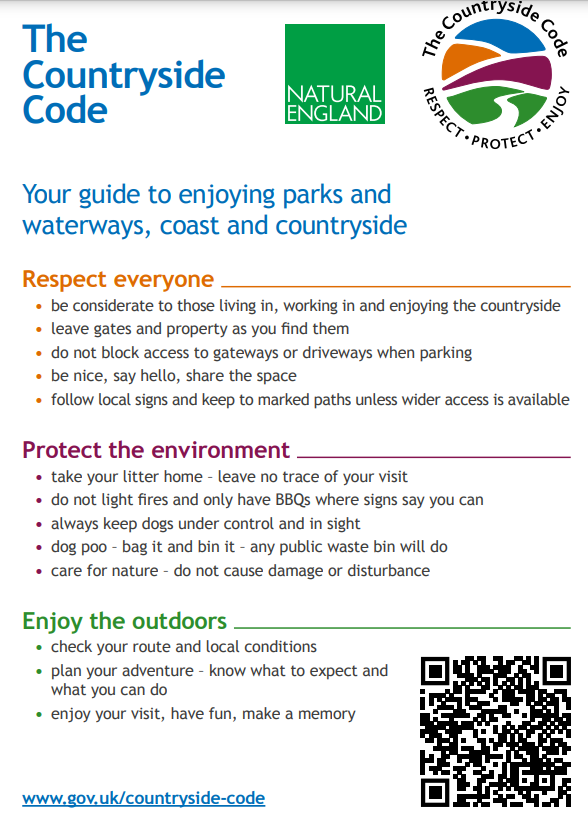
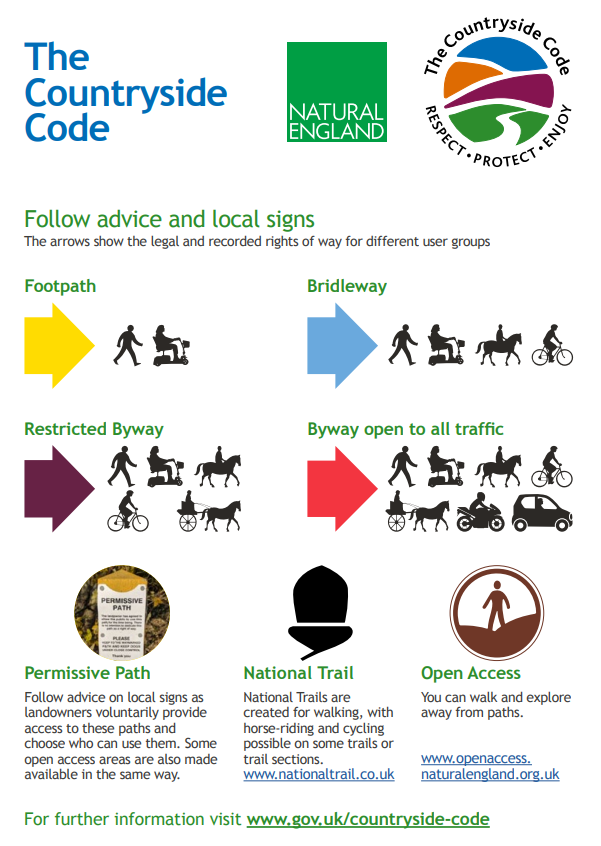
Follow the marked footpaths, close gates behind you and don’t stray into fields. Crops that are in early and later stages of growth are easily damaged by dogs and people walking on them.
Litter and dog poo
Poo bags and litter can seriously harm wildlife and farm animals as they may try to eat it, thinking it’s food. Always make sure you dispose of all your rubbish and dog poo in a bin. If there aren’t any public waste bins nearby, you should take the litter home with you and use your own bin.
We have more information about how to dispose of different types of litter safely. Dog walkers can play an important role in keeping the countryside safe for everyone by picking up any litter you see, even if it’s not yours, and safely disposing of it in a bin.
Livestock
Many dogs will show interest in livestock and even if you think your dog wouldn’t harm another animal, accidents can happen. Dogs can easily frighten animals; ewes and lambs, in particular. Ewes can abort their unborn lambs, be separated from the herd and be seriously injured if they come into contact with dogs. Give livestock plenty of space, and don’t try to feed them as it might cause them harm.
Putting your dog in a situation where they end up chasing farm animals, wildlife or other pets can have far more serious consequences.
If your dog worries livestock, you may end up being sued for compensation and, in some circumstances, farmers are legally entitled to shoot dogs if they’re endangering their sheep.
How to stop your dog from worrying sheep
It can be all too easy to become complacent when walking your dogs, after all, it’s something we do every day. But remember, the resulting loss of life if your dog escapes your control – even for a moment – can be devastating. Don’t be caught out – follow these top tips:
- Be aware of the effects of sheep-worrying, and let others know too
- Make sure you know where your dog is at all times
- If you’re letting your dog off the lead, be confident there are no livestock nearby
- Be sure that your dog will return to you promptly on command, and if in doubt, keep them on the lead
Find out more about teaching your dog to come when called as well as other useful advice on caring for and understanding your dog.
Worried about a farm animal?
Find out who to contact if you think a farm animal is sick or injured.
Wildlife
Wherever you go in the countryside there will be wildlife nearby, and even though you might not be able to see them if they’re hidden away in bushes or hedgerows, dogs can still sniff them out thanks to their fantastic sense of smell. These could be young wild animals waiting for their parents, or adults trying to keep their young safe such as ground-nesting birds sitting on eggs. Be aware of areas where wildlife might be hiding and ensure your dog doesn’t disturb them, as this could cause parents to abandon their young or be chased and seriously injured by a dog. It’s the best way to keep your dog safe too, as some wild animals can be aggressive if they’re attacked and need to defend themselves or their young.
This is important all year round, but be especially careful in the spring and summer as this is when many wild animals will be breeding and have vulnerable offspring. If you are walking your dog in an area with deer between early May and late June, watch out for newborn deer who are especially vulnerable at this time and many are killed or injured by dogs. And if you’re walking on beaches or near areas where seals will come out of the water to rest, make sure your dog is on a lead and keep at least 100 metres distance and as far away from the seals as possible to avoid disturbing them.
Dogs can also harm wildlife living in ponds, as well as being at risk themselves if they swim in some ponds – find out more from Froglife.
Advice taken from What to look out for when walking your dog | RSPCA
ERYC – Your Life Your Way
January 11th, 2023 Posted by Lyndsey Fielding Local News 0 thoughts on “ERYC – Your Life Your Way”January 10th, 2023 Posted by Lyndsey Fielding Local News 0 thoughts on “”
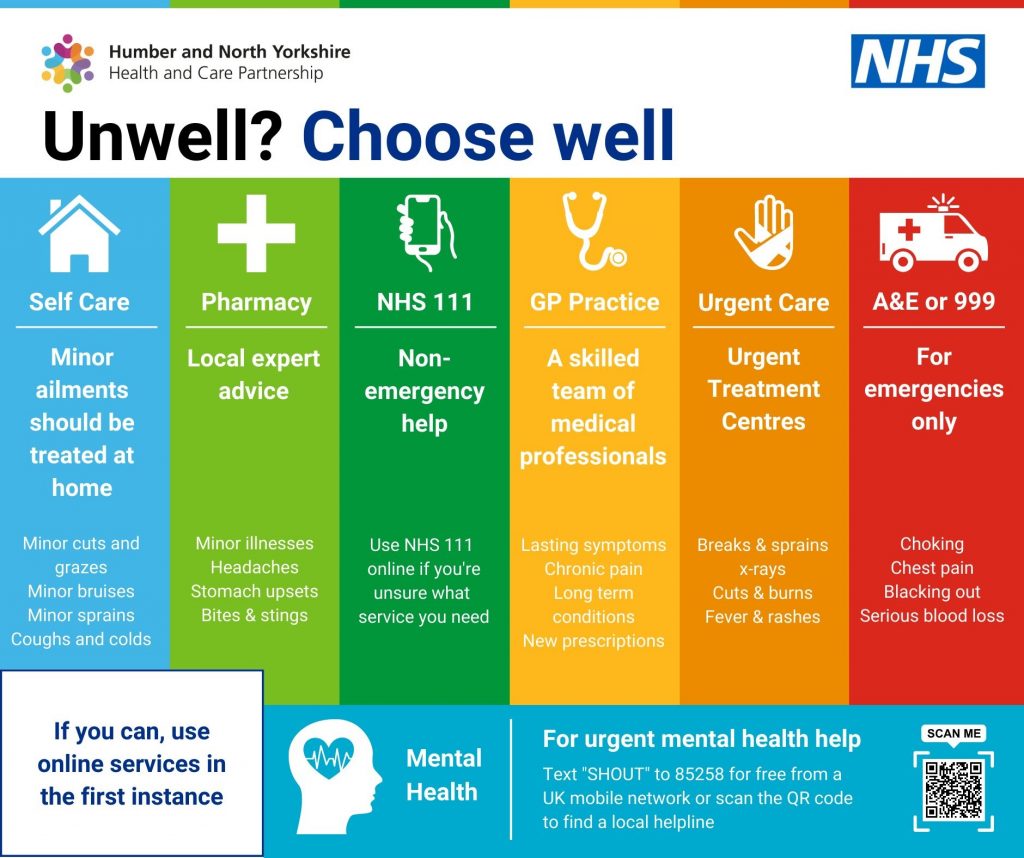
Need medical help? Use 111 online to get assessed and directed to the right place for you, like a consultation with a pharmacist.
January 5th, 2023 Posted by Lyndsey Fielding Local News 0 thoughts on “”
The Parish Council are trying to locate the donator(s) of the cabinet and china located within the Town Hall, and are giving notice that the item(s) are to be removed in order to make use of additional space within the meeting room. Due to data protection reasons we are unable to publish the names of persons who had donated, if you are one of those please contact the Clerk on 01430 421044 or email clerk@southcavepc.gov.uk This notice will expire 28th February 2023 when the cabinet and contents will be re-homed.
East Riding of Yorkshire Health and Care Partnership
January 4th, 2023 Posted by Lyndsey Fielding Local News 0 thoughts on “East Riding of Yorkshire Health and Care Partnership”January 4th, 2023 Posted by Lyndsey Fielding Local News 0 thoughts on “”
The government’s Household Support Fund will help vulnerable households with the rising cost of heating oil. As a result, HWRA have been awarded funding from East Riding Council to offer grants to eligible residents in East Yorkshire.
On application if eligible, households will receive an oil delivery of approx. 500 litres and free membership to the YORSwitch Bulk Oil Buying Scheme for the year. (normally £20 per year).
The criteria can be viewed on our website below, along with the application forms.